

Hearing about airdrops for the first time feels like a treasure hunt in a market where everyone is speaking a language you barely understood. You keep asking “Where did you find that one?”
Well, the game is not about luck; it’s about having the right tools. And in Web3, tools are everything. Below, I’ll break down the top five tools I use (and recommend) for finding and tracking legit airdrops without drowning in noise or falling for scams.
1. Airdrop.io – The Beginner’s Compass
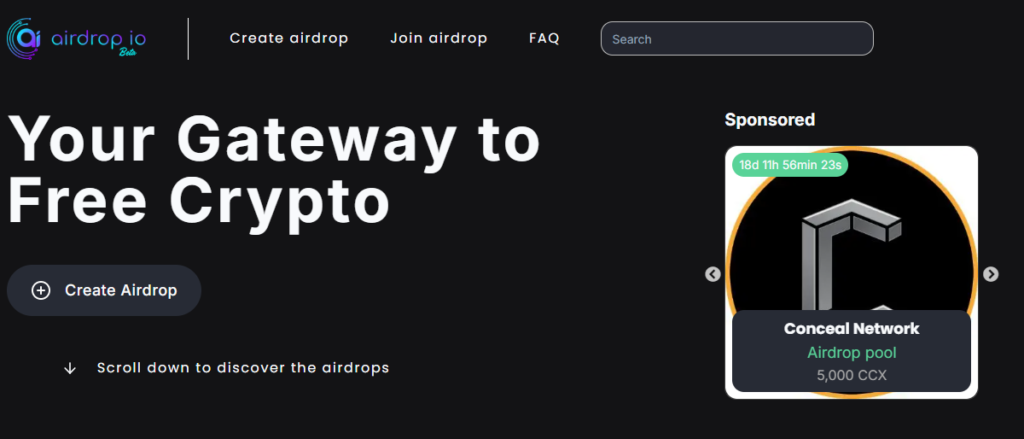
When I first stumbled into Airdrop.io, it felt like walking into Balogun Market with someone who knew every shortcut. The platform lists ongoing, upcoming, and expired airdrops in one place, neatly categorised. You don’t have to guess where to start because each listing comes with:
- The project name and type (NFT, DeFi, GameFi, etc.).
- A short description of the project.
- Step-by-step instructions on how to participate.
- The estimated value of the drop.
For someone in Nigeria, this is gold because you’re not just guessing which Telegram group to join or which wallet to connect. You can filter by blockchain (Ethereum, Solana, BNB Chain) or even by category.
I personally use it to scan the horizon. Every Monday, I open the site, skim through the latest drops, and bookmark the ones that don’t require insane gas fees. Gas fees in Nigeria can kill the joy of an airdrop, so I always look for drops on cheaper chains like Polygon or Arbitrum.
My Pro Tip: Don’t chase everything. Focus on 3–5 drops you can commit to fully completing the requirements for. It’s better to get one $500 drop than 10 worthless tokens.
2. DeBank – My Airdrop Tracker and Portfolio Mirror
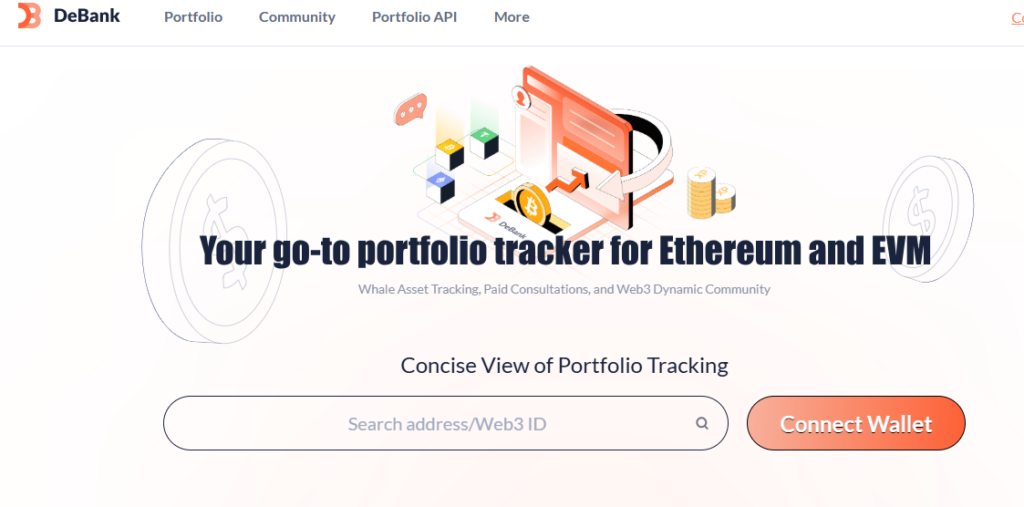
Before DeBank, I used to scribble airdrop tasks in my phone notes and then forget which wallet I used for which project. The chaos was real.
DeBank changed everything. It’s a portfolio tracker for all your wallets across multiple blockchains. You can connect your Ethereum, Polygon, BNB, Arbitrum, and other wallets, and DeBank will show you:
- Your token balances.
- Your NFT holdings.
- The DeFi protocols you’re using.
- Recent transactions.
For airdrops, I use it for two main things:
- Tracking Wallet Activity: Some projects reward loyal users who’ve interacted with their dApps over time. DeBank helps me see which wallets I’ve actually used for DeFi, NFT minting, or staking.
- Avoiding Wallet Neglect: If a project’s eligibility is based on wallet activity, I don’t want to leave some wallets dormant. With DeBank, I can quickly see which ones haven’t been active and take action.
In Nigeria, the cost of data and power outages can make you skip online tasks for days, so DeBank saves you from unnecessary wallet hopping and helps you plan better.
3. Dune Analytics – Reading the Blockchain Like a Book
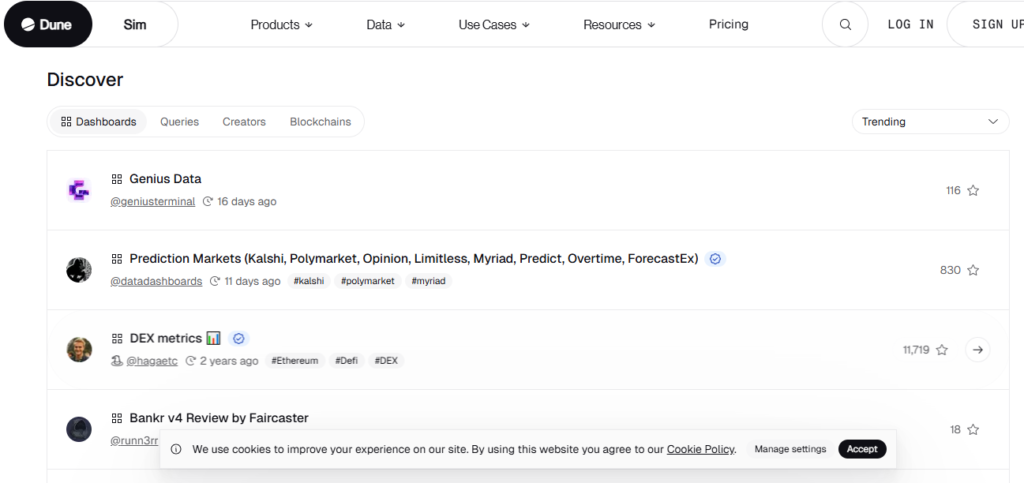
Dune is not for the lazy hunter. The first time I opened it, I felt like I’d walked into a math class I didn’t sign up for. But once you understand how to read Dune dashboards, you’ll see why serious airdrop hunters swear by it.
Dune is a blockchain analytics platform. You can find dashboards that track:
- The number of users interacting with a specific protocol.
- Transaction volumes.
- Growth patterns of a project.
Why does this matter for airdrops? Simple: many projects announce retroactive drops for their earliest or most active users. If you can see a project gaining momentum before it hits the hype phase, you can jump in early.
For example, I once used a Dune dashboard to monitor activity on a new DeFi platform. The growth was steady but not explosive, which meant it was still early. I started using their app weekly, and six months later, they announced an airdrop. My early activity qualified me for the max tier.
Nigeria-specific tip: If you’re worried about gas fees while testing early projects, use testnets (many Nigerian hunters do this) or focus on chains with low transaction costs.
4. Twitter (X) + X Pr – Where the Alpha Lives

I know you might be thinking, “Twitter? X? I already use it.” But here’s the thing: random scrolling won’t get you the real gems. You need a system.
This is where X Pro comes in. It lets you create custom columns so you can track multiple Twitter lists or searches in real-time. I have one column just for:
- Official airdrop accounts.
- Influencers who specialise in early Web3 projects.
- Announcements from DeFi protocols.
Why does this matter for you in Nigeria? Because timing is everything. A lot of airdrops have limited slots. If you see the news late, you’ve missed it. By using X Pro, I get info almost as soon as it drops, even if NEPA takes light for a few hours.
I also filter by keywords like “retroactive airdrop”, “testnet”, and “airdrop eligibility” so I’m not wasting time reading irrelevant posts.
My Pro Tip: Avoid following accounts that constantly shill scam projects. The fastest way to lose your wallet is to connect it to every random link you see on Twitter.
5. Guild.xyz – The Key to Task-Based Airdrops
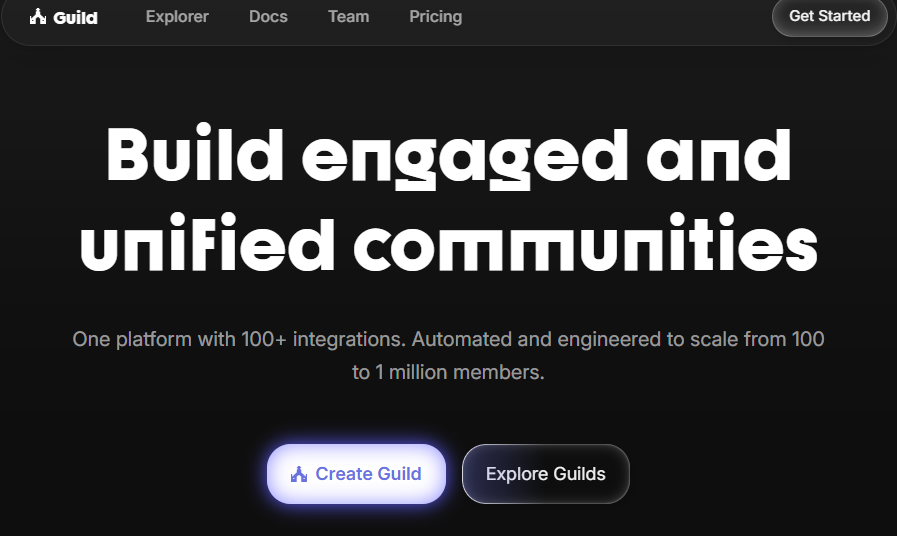
If you’ve ever tried to join a project’s Discord and been told to “verify wallet” before you can enter, you’ve probably already touched Guild.xyz without realising it.
Guild is a token-gated community tool. Many projects use it to manage access to private groups or to track who has completed certain on-chain or social media tasks. For airdrop hunters, Guild is valuable because:
- It shows you exactly what tasks you need to complete.
- It tracks your wallet’s progress automatically.
- It helps you find smaller projects that are quietly building communities before a big launch.
In my experience, the smaller and more niche the project’s community is, the higher the airdrop reward per person. Guild is like a behind-the-scenes pass to these hidden opportunities.
In Nigeria, where you might not have the luxury of chasing every big-name project with crazy gas fees, Guild can lead you to low-cost, high-value gems.
How I Combine These Tools for Maximum Results
If you really want to get serious with airdrops, you can’t use these web3 tools in isolation. Here’s my workflow:
- Scan Airdrop.io every Monday to see what’s new.
- Pick 3–5 promising projects and check them on Twitter for official announcements.
- Track my activity with DeBank to ensure I’m building eligibility.
- Use Dune dashboards to monitor early growth patterns.
- Complete tasks on Guild.xyz to secure a spot in exclusive communities.
This system has saved me from wasting gas fees on dead projects and has put me in position for multiple four-figure drops over the past year.
Final Thoughts – Hunting Airdrops Without Losing Your Mind
In my opinion, airdrop hunting in Nigeria is a mix of skill, patience, and strategy. The internet is full of noise, and without the right tools, you’ll either burn out or get scammed.
These five tools, Airdrop.io, DeBank, Dune Analytics, Twitter + X Pro, and Guild.xyz, are my personal essentials. They don’t guarantee you’ll make money, but they massively improve your odds.
And if there’s one thing I’ve learned, it’s this: consistency beats hype. Don’t just jump on the trend of the week. Pick your tools, stick to your process, and you’ll be surprised how many lucky breaks you create for yourself.