
Nigeria ranked second globally for crypto adoption in 2024, with a value of $59 billion. However, owning digital currencies is one thing, and knowing how to invest in Web3 is another. Many Nigerians are still at step zero for the latter.
Most people buy Bitcoin on an exchange and leave it there, hoping the price will appreciate. Meanwhile, the opportunities in Web3 are much wider than that. That said, making Web3 investments comes with its risks, which is why you have to be cautious when putting your money in this space.
Thankfully, our guide is here to help. We’ll cover what Web3 investing is all about, the platforms you can use right here in Nigeria, and other important details.
What Are Web3 Investments?
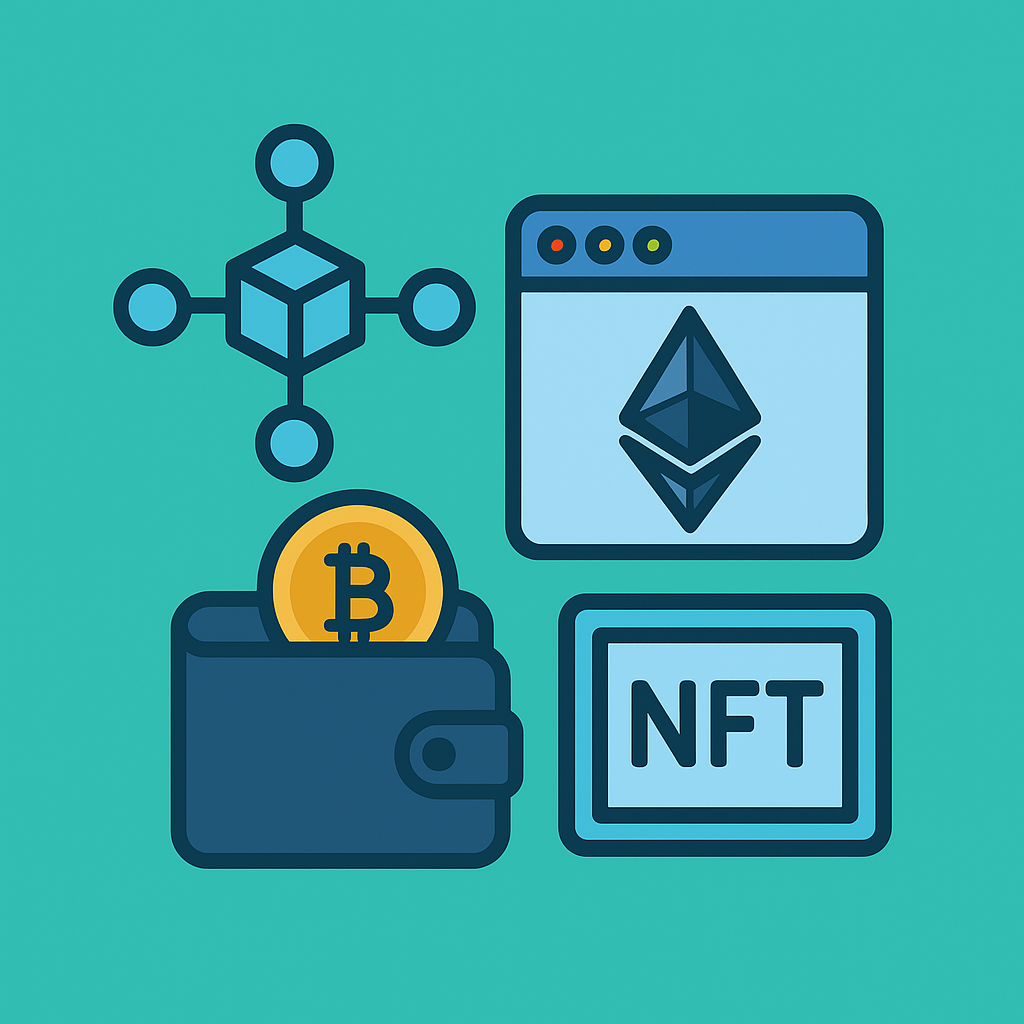
For starters, Web3 is a developing internet version that runs on blockchain technology. In this area, companies like Meta and Google don’t own your data or your money. Instead, you have complete direct control via blockchain systems.
When we mention investing in Web3, it usually means one of these:
- Buying and holding cryptocurrencies (Bitcoin, Ethereum, Solana, and others)
- Earning yield on your crypto through DeFi by lending, staking, or liquidity provision
- Buying NFTs (digital items with blockchain-verified ownership)
- Investing in Web3 startups through tokens, token presales, or startup equity
- Earning through Web3 gaming
More than 80 Nigerian Web3 startups have raised over $130 million in recent years, which shows the industry is budding. The question is whether you understand things well enough to be on the right side.
Where to Invest in Web3 in Nigeria
This is the most practical part, and it depends on the type of investment you’re pursuing. Based on our experience, here’s a rundown by method in Nigeria:
1. Buy and Hold Crypto
The easiest way to get into Web3 is to buy and hold cryptocurrency. You’re essentially buying a stake in the underlying networks that power Web3 applications. We advise using Nigerian SEC-licensed platforms, including:
- Quidax: Nigeria’s first SEC-licensed crypto exchange, built specifically for local users. It supports naira deposits and withdrawals via bank transfer and charges 0.1% trading fee.
- Busha: Launched in 2019 with over 800,000 verified users, Busha offers an Earn program. It lets you earn up to 7.5% APY on stablecoins with daily payouts and no lock-in period.
- Bybit: This is one of the most trusted crypto platforms on the continent. You can use it to buy and hold hundreds of digital coins.
- Yellow Card: Africa-focused platform that makes it easy to buy and send USDT and Bitcoin with naira.
2. Stablecoins as a Web3 Investment
Based on our research, USDT/NGN is now the most traded crypto pair in Nigeria. It shows that stablecoins are a practical way to invest in Web3, as the naira tends to lose value over time.
Converting naira to USDT protects your purchasing power in dollar terms. You can then use the USDT to access other Web3 investment opportunities or earn yield on it. As we mentioned earlier, Busha Earn offers up to 7.5% APY on USDT, higher than most Nigerian savings accounts.
3. DeFi (Decentralised Finance)
Things get more interesting in DeFi, but they can also be complex. These platforms are apps built on blockchain networks such as Ethereum, Solana, and BNB Chain. They let you lend, borrow, or stake crypto and earn returns, all without a bank in the middle.
These are some common DeFi activities that you can invest in Nigeria:
- Staking: Lock up your crypto to help run a blockchain network. In return, you earn more crypto. Ethereum staking currently offers an APY of 3-5%.
- Lending: Deposit your crypto on platforms like Aave or Compound. Then, other users borrow it and pay you interest.
- Liquidity Provision: Add crypto to trading pools on platforms like Uniswap and earn a share of the trading fees.
You can access DeFi with a non-custodial wallet like MetaMask or Phantom (for Solana). That said, we must emphasize that DeFi carries more risk than buying and holding cryptocurrencies. Smart contract bugs and market volatility can totally wipe out value.
4. Web3 Startup Investment
If you’re willing to go the extra mile, investing early in Web3 projects can bring about significant returns. In Nigeria, this usually happens through:
- Token presales: Buying tokens before they launch on exchanges, at a lower price.
- Ecosystem grant programmes: Blockchain networks such as Solana, Base, Stellar, and Lisk all offer grant programmes for Nigerian builders. If you’re a developer, this is a form of Web3 income rather than investment.
- Community/DAO participation: Some projects distribute tokens to early community members. SuperteamNG and Web3bridge regularly signal these opportunities.
Be extremely careful here because, as much as we hate to say it, many token projects in Nigeria are scams. If you can’t find the team, read the whitepaper, or verify the smart contract, don’t put money in it.
The Best Web3 Investment Platforms and Apps for Nigerians
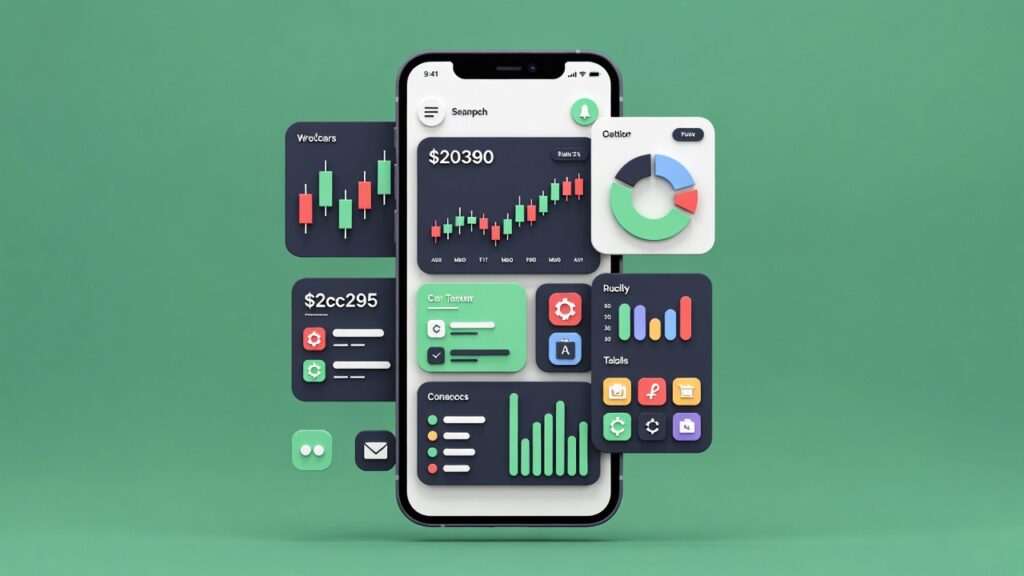
Now, let’s go over Web3 investment apps that actually work with naira:
- Quidax: Best for beginners because it allows Naira on-ramp, is SEC-licensed, and has a simple interface. A mobile app is also available.
- Busha: Ideal for earning on your crypto, thanks to Busha Earn’s up to 7.5% APY on stablecoins.
- Yellow Card: Top pick for stablecoin transactions and cross-border use. This option is Africa-focused.
How to Invest in Web3: A Step-by-Step Guide
If you’re starting from zero, things don’t have to be complex. We’ve outlined the simplest path to investing in Web3 in Nigeria right now:
- Step 1: Get your documents ready, including BVN, a valid ID (National ID, driver’s licence, or passport), and proof of address.
- Step 2: Create an account on Quidax or Busha: Both are SEC-licensed and beginner-friendly.
- Step 3: Deposit naira: You can use a bank transfer for this. We suggest starting small, as even ₦5,000 is enough to get you going.
- Step 4: Buy USDT first because it’s stable. You won’t have to deal with crypto volatility while you learn.
- Step 5: Choose your investment type: holding, staking, DeFi, or other.
- Step 6: Keep records by writing down what you bought, when, and at what price. This matters for tracking your performance and for tax purposes.
Web3 Investment Risks You Need to Know
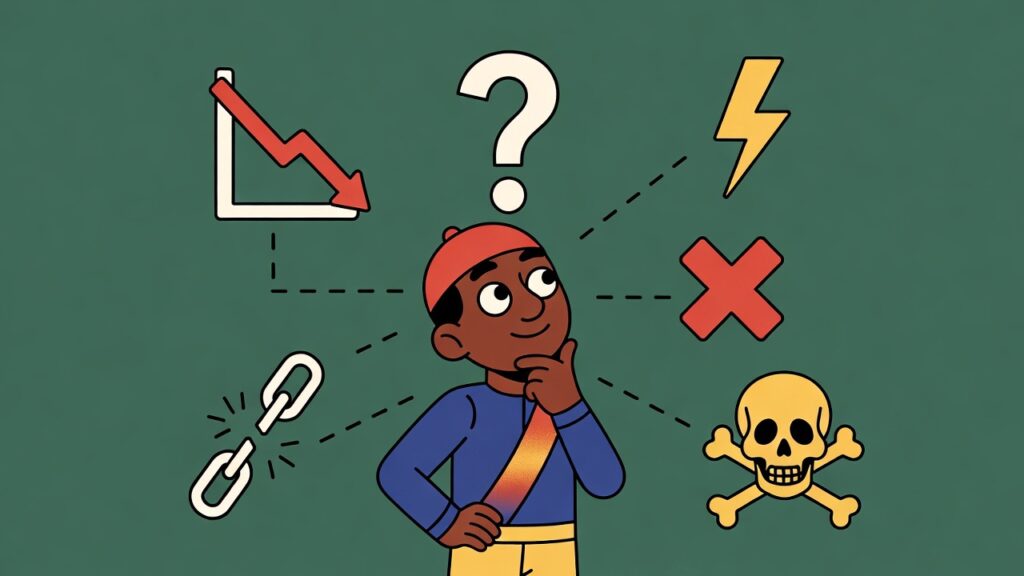
To keep things fair, let’s look at the downsides that come with investing in Web3:
- Volatility: Bitcoin lost over 70% of its value in 2022. The same can happen to any crypto, so only invest what you can afford to lose.
- Scams: Nigeria has a well-documented problem with fake investment platforms. If someone promises guaranteed daily returns on crypto, it’s a scam. Full stop.
- Regulatory uncertainty: While Nigeria’s ISA 2025 has brought greater clarity, the regulatory environment can still change at any time. Using SEC-licensed platforms reduces this risk.
- DeFi risks: Smart contract hacks, rug pulls, and market crashes are real. DeFi is not for people who can’t afford to lose the money they put in.
- Naira volatility: Even if your crypto holds value in dollar terms, the naira can depreciate, affecting your returns when you convert back.
Is Web3 a Good Investment in Nigeria?
We can’t give a simple yes-or-no response. Instead, the answer is subjective, as you have to consider the pros and cons.
The Investments and Securities Act 2025 now provides a legal framework for digital assets. Also, the SEC’s ARIP programme has already issued licences to platforms like Quidax and Busha. That means you’re not operating in a grey area when you use those platforms. You have legal protection.
Things are improving, no doubt, but we don’t think the question is whether Web3 investment is relevant in Nigeria. It’s whether you understand it well enough to participate wisely.
Therefore, we advise learning how to invest in Web3 properly before starting. Don’t just buy random tokens based on Twitter hype.
Web3 Investment in Nigeria FAQs
Can you make money in Web3?
Yes, you can make money in Web3, but not in the way most people think. The most reliable way to make money in Web3 is through long-term holding of strong assets like Bitcoin and Ethereum. Also, you can earn yield through staking or DeFi, and building skills that Web3 companies pay for.
Should beginners invest in Web3?
Yes, beginners can invest in Web3, but it’s necessary to start with the basics. Understand that Web3 investments carry risk and are not savings accounts.
Which crypto is best for Web3?
Ethereum (ETH) is most closely tied to Web3 because most platforms are built on it or compatible with it. Solana (SOL) is also strongly attached to Web3 and has been growing its developer community in Nigeria.
What are Web3 investments?
Web3 investments are financial activities tied to blockchain-based systems. This includes buying and holding crypto, staking or lending on DeFi platforms, purchasing NFTs, and earning through Web3 gaming, among others.